







Von Märchen und Volksliedern
MAURICE RAVEL«Ma mère l'oye»
LUCIANO BERIOFolk Songs für Mezzosopran und Orchester
PAUSE
IGOR STRAWINSKY«Pulcinella» Suite nach G. B. Pergolesi
Kindermärchen, Volkslieder, ferne Zeiten: Musikalische Inspiration kann so viele Ursprünge haben! Und das Thema «Ursprünge», das Saisonthema 2025/26, hat wiederum die Dirigentin Joana Carneiro zu diesem farbenprächtigen Programm inspiriert. Den Ursprung von Maurice Ravels «Ma mère l’oye» bilden französische Märchen, die er in Musik verzaubert hat. Begonnen hatte alles als kleine Klavierstückchen für die Kinder von Freunden, und am Ende wurde daraus Orchestermusik, so duftig, wie es nur Ravel vermag. Die «Folk Songs» von Luciano Berio haben Ursprünge in Sardinien und Aserbeidschan, im Mittelalter und in Berios eigener Mailänder Konservatoriumszeit, wo er zwei der «Volkslieder» flugs selbst erfunden hat. Zu den Ursprüngen der «Folk Songs» gehört (wie so oft bei Berio) die vergleichslose und wandlungsfähige Stimme von Cathy Berberian, für die er das Werk schrieb. Berios Hintergrund als Avantgarde-Komponist schimmert in der Instrumentalbegleitung durch. Diese sei eine Art Kommentar, die uns die historischen Ursprünge, den emotionalen Ausdruck und den Verwendungskontext der Lieder präsentiere. Zusammen mit der virtuosen Singstimme ist ein Geniestreich daraus geworden: Vorsicht Suchtpotential! Zum Schluss beweist Igor Strawinskys «Pulcinella», dass Ursprünge auch inspirieren können, ohne dass man es zu genau nimmt: Die meisten musikalischen Vorlagen zu diesem Commedia dell’arte-Ballett von 1920 stammen gar nicht von Pergolesi, wie Strawinsky dachte. Das Resultat geriet dennoch (oder gerade dank dieser Lässigkeit!) wundervoll – und bildete seinerseits den Ursprung von Strawinskys «néoclassicisme».
LOCATION Stadthaus Winterthur
BEGINN 19.30 Uhr
ENDE GEGEN 21.10 Uhr
ALLE DATEN
Do, 23. Apr. 2026
18.45 Uhr Konzerteinführung mit Felix Michel im Stadtratsaal
BESETZUNG ORCHESTER Musikkollegium Winterthur
LEITUNG Joana Carneiro
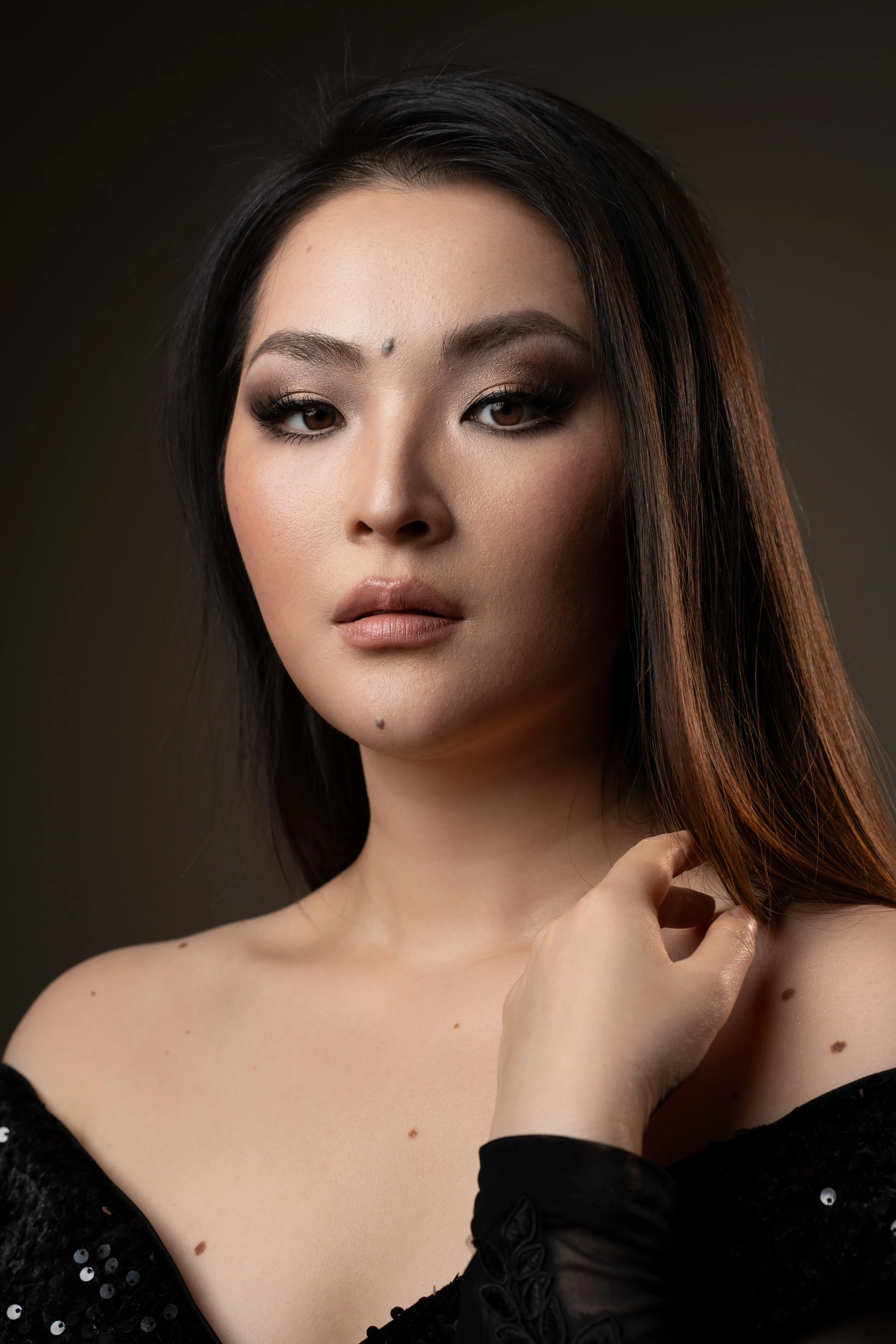
MEZZOSOPRAN Yajie Zhang






Parsifal
Komponist Richard Wagner. Dichtung vom Komponisten.
Ein Bühnenweihfestspiel in drei Aufzügen (1882)
Musikalische Leitung
(2024: APR 04, 07, 10)
(2024: JUL 20, 23)
Inszenierung
Bayerisches Staatsorchester
Bayerischer Staatsopernchor und Zusatzchor der Bayerischen Staatsoper
Extrachor der Bayerischen Staatsoper


Silvester Gala
LEITUNG
Musikalische Leitung Christoph Gedschold
Moderation Juri Tetzlaff
Orchester Gewandhausorchester
BESETZUNG